
Kiwi are New Zealand’s national bird and being flightless, are seriously endangered by introduced predators.
In 2013 and 2014, our neighbours, Gill & Kevin Adshead released nearly forty Northland Brown kiwi on their property – Mataia. The kiwi population has grown over the years and expanded beyond Mataia.
The growing kiwi populations means that dogs will have more contact with them and in order to protect them, dogs are given kiwi avoidance training to teach them to avoid kiwi in the wild. Kiwi are particularly vulnerable to dog attacks due to their lack of wings and the ability to fly away. Kiwi don’t have breastplates and chest muscles to protect their internal organs like other birds do, so even a dog that just wants to play can harm a kiwi.
The training was scheduled at the local Glorit Community Hall but a recent accident resulted in a power pylon falling over and the power company has moved equipment onto the site for doing repairs.

CUE Haven has hosted several Kiwi Avoidance Training sessions over the years and we were very happy to help and host the training on Sunday. The session was sponsored by Kiwis for Kiwi and The Forest Bridge Trust (TFBT) and run by TFBT staff Steve Rigby and Claire Mitchell.
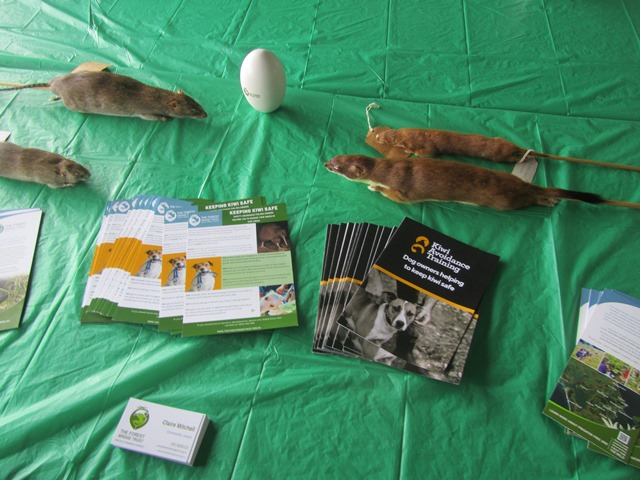
Over the course of the day 31 dogs were trained.
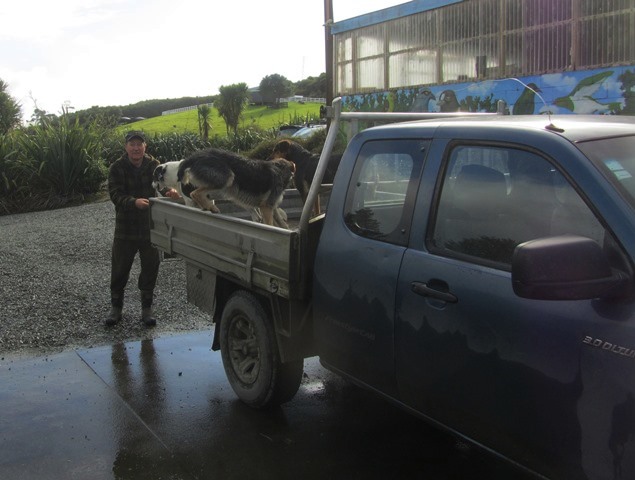
Avoidance training is widespread throughout New Zealand. In order to get a hunting license to hunt deer, pigs or goats in certain locations, the hunter must be able to demonstrate that his dogs are trained. Further, many land and forest owners require kiwi avoidance training before a dog is allowed onto their property when hiking or exercising.
There are different methods of avoidance training and today Steve used the electric collar method. On arriving, Steve set up a run where the dogs could be released into a contained area to ensure that their movements could be controlled. He placed three kiwi decoys along the run and added some kiwi nesting and scent material so the dogs would get a good scent of kiwi and associate it with the appearance of a kiwi.
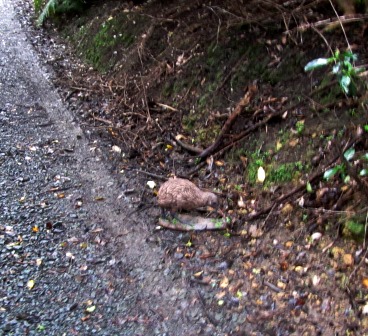

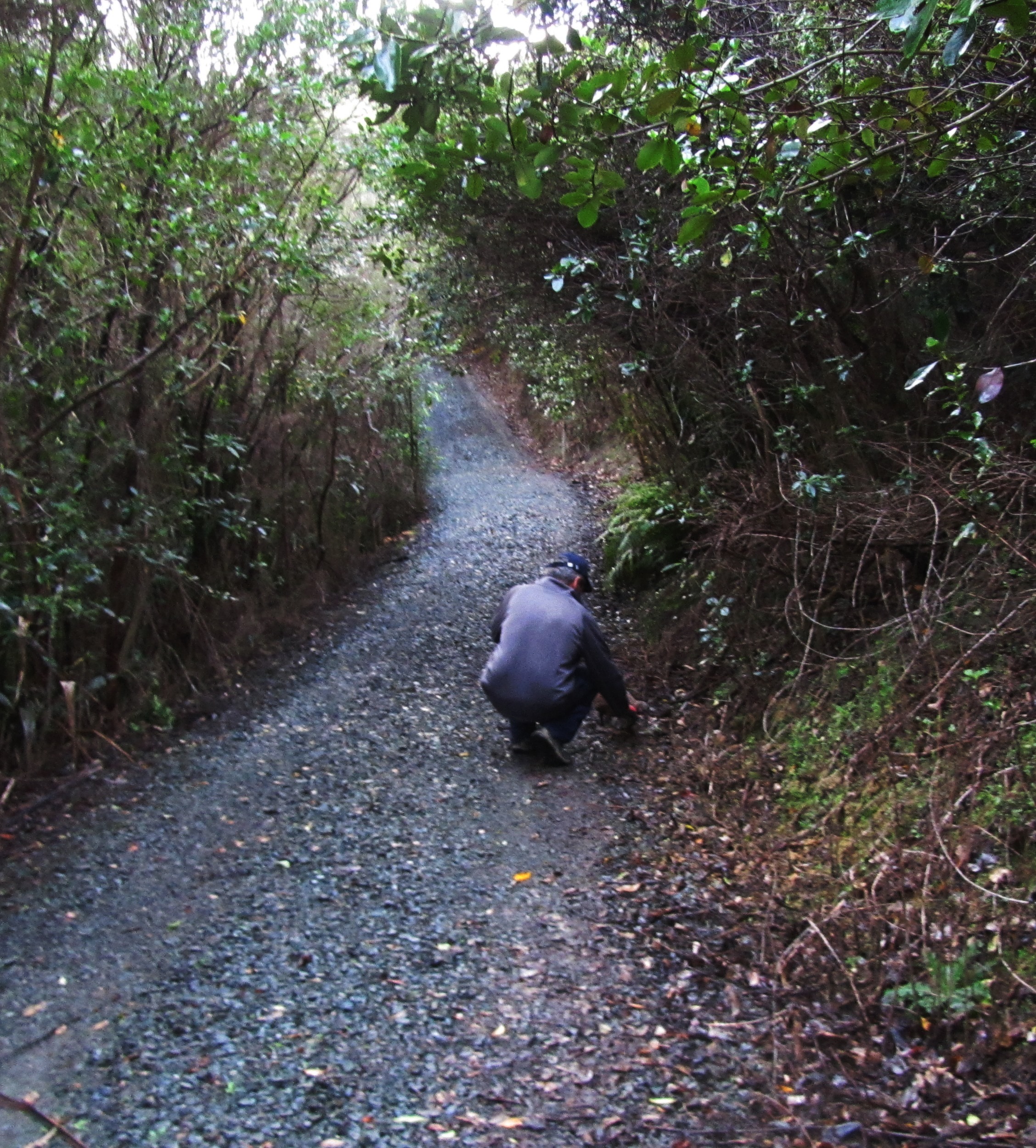
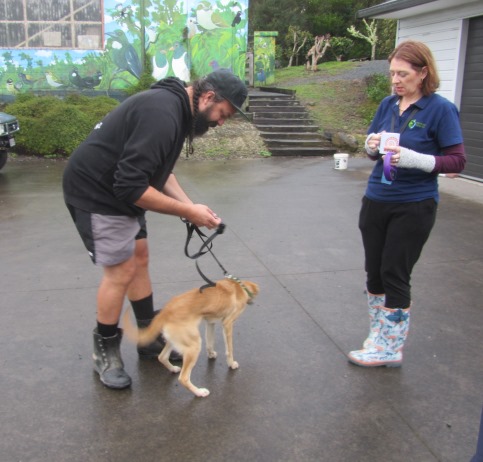
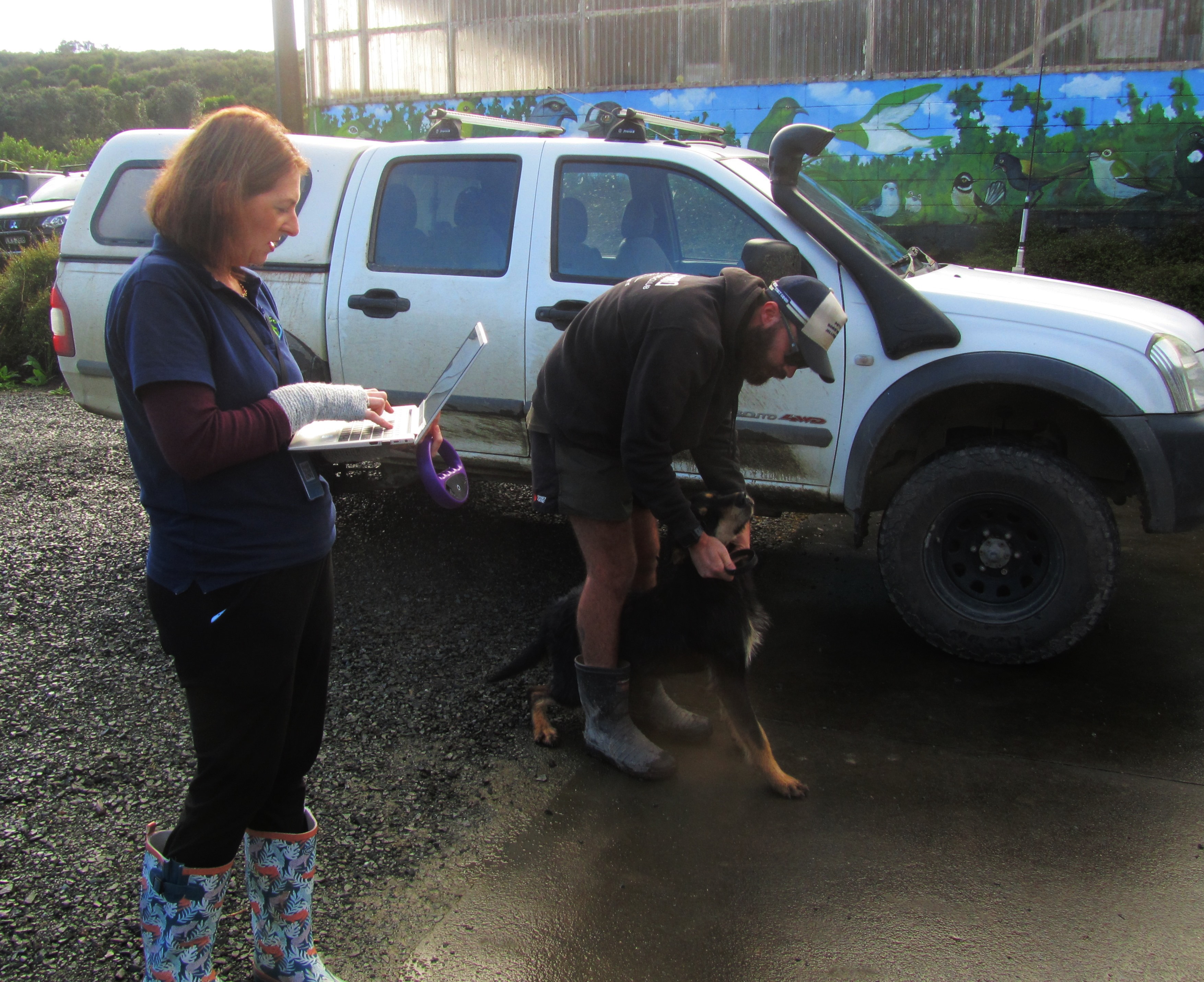
Because of the number of dogs coming today, each owner had been given a time slot and as they arrived, Steve gave them a briefing on the purpose of the training and how it would be conducted and Claire recorded details for the dog and owner.
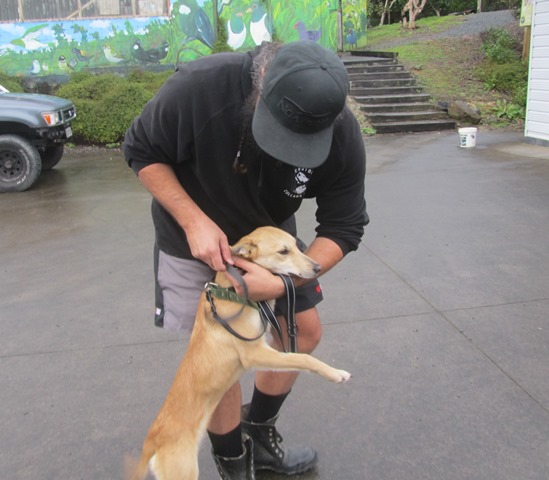
The training was carried out by putting a collar on the dog. The owner walks the run with the dog and Steve follows with a remote control with which he could give the dog a harmless, mild electric shock that feels like a bee sting.
The owner is asked to put the collar on after the dog has become comfortable with it.
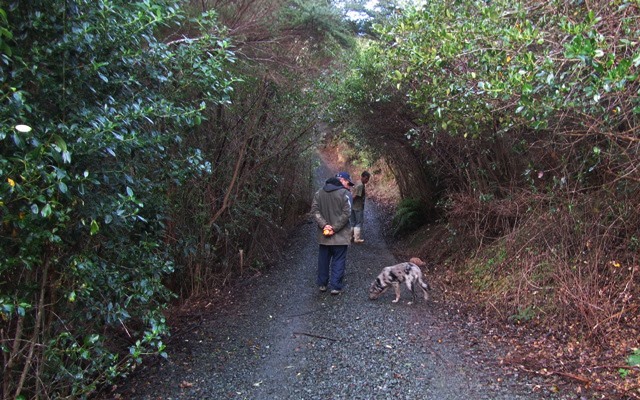
The dog is released or led through the run and allowed to explore.
Most of the dogs today had been through avoidance training before and either ignored or actively avoided the kiwis.
Dogs experiencing avoidance training for the first time would show an interest in the scented kiwi decoy at the start of the run. When they approach, they get a mild shock from the collar. The result is that the dog associates the sight and smell of kiwi with the unpleasant experience.
After the dog receives the shock, they go through the run until they avoid the kiwi, demonstrating that the training has been effective.


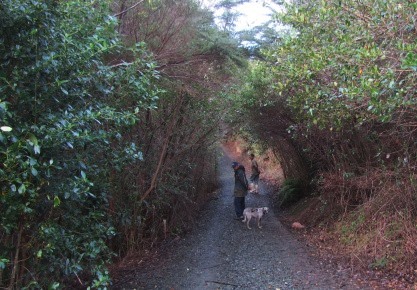
And each owner received stickers to put on their truck or trailer.

TFBT trustees Kevin & Gill Adshead stopped by during the day to help out and spend time socializing with the dog owners and TFBT staff.
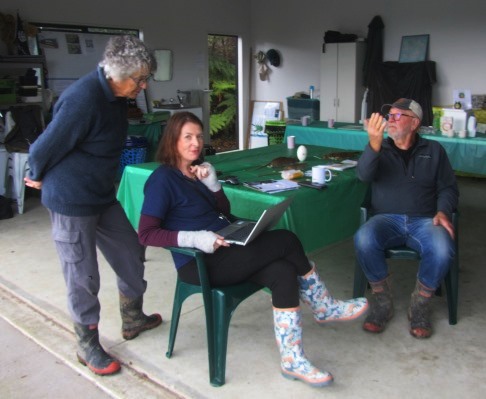
We want to thank all the people who brought their dogs for training today.
Gill and Kevin – good catching up with you both. Your passion for conservation is a real inspiration to us all.
And a very big thank you to Steve and Clair for organising the training and giving up a Sunday to conduct the training.

And we look forward to the day when kiwi will be roaming freely at CUE Haven too!
 CUE Haven