
Matariki, the Maori new year celebration, became a national holiday in New Zealand in 2022. Thanks to a grant to CUE Haven from the Creative Communities Scheme, members of the public were able to celebrate Mataraki and learn a bit about Maori culture
The sessions introduced the participants to the significance of Mataraki, Kōrari, Rongoa, and Waiata (flax weaving, medicinal plants, songs and dance). The team providing the delivery of a uniquely Māori experience are members of the local hapu Ngāti Rango of Ngāti Whātua. The team was led by CUE Haven Trust Kai Ārahi (Cultural Advisor), Rewana Walker, co-presenters Rita Walker and Marion Leth and other whanau.
The sessions were scheduled to be held at CUE Haven on July 22 and 23 but heavy rain on July 21 caused flooding on the roads leading to CUE Haven so the event on July 22 was canceled at the last minute and rescheduled to Aug 19. As it happened, wind and rain were forecast for Aug 19 so fortunately Rewana managed to book the Te Aroha Pa Marae that day, so all the activities could be held indoors.
Each cultural event began with a powhiri (formal welcome). Because many of the manuhiri (guests) were new to Te Ao Maori, Rewana briefed them on the protocol for the powhiri in advance. Each iwi and hapu has its own tikanga (customs) for the powhiri and Rewana gave a short briefing explaining the tikanga that the Ngāti Rango follow. Rewana explained how the powhiri would progress and what protocols manuhiri should follow.

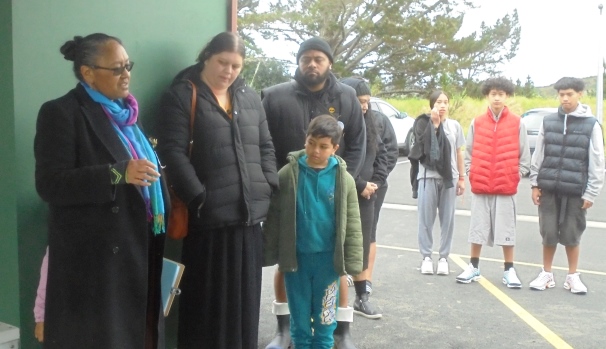
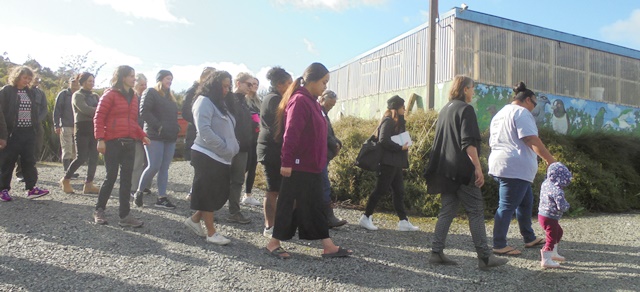
Rewana and Rita then opened the ceremony with a karanga and invited the manuhiri to approach the whare with the women leading the men.



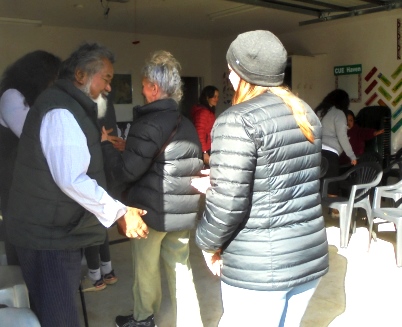
Tangata whenua then welcomed the manuhiri with either a hongi or hand shake

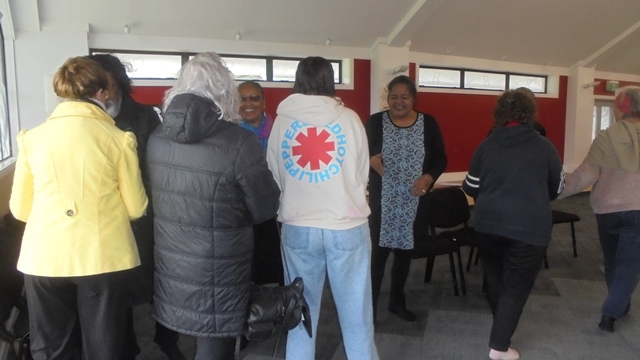
Once all the manuhiri were seated, Kaumatua Haahi Walker gave a blessing and a mihi to the manuhiri at the July event.
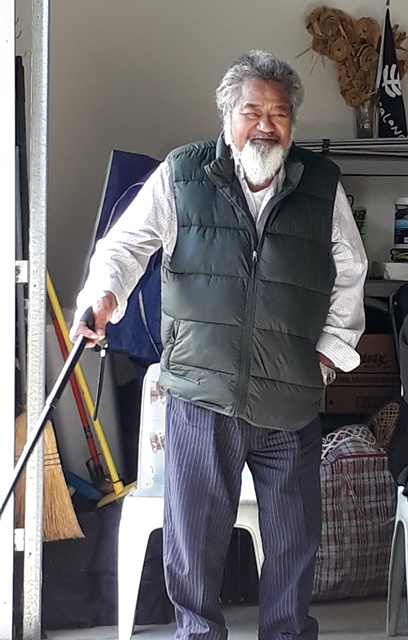
For the August event, the blessing and mihi at the marae was given by Matua Eugene Walker.


Each mihi was acknowledged by a waiata from the tengata whenua.
Manuhiri were then invited to respond with a kai korero.
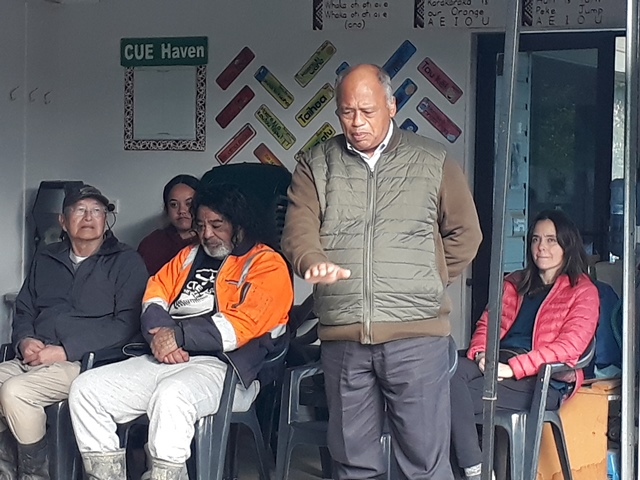

And each kai korero was followed by a customary waiata by the manuhiri in Maori or the language of their choosing.

In order to complete the traditional tikanga welcoming process it was necessary for everyone to share a meal together and we all broke for morning tea. Sharing a meal takes away the tapu (spiritual restriction) and enables strangers to become friends.
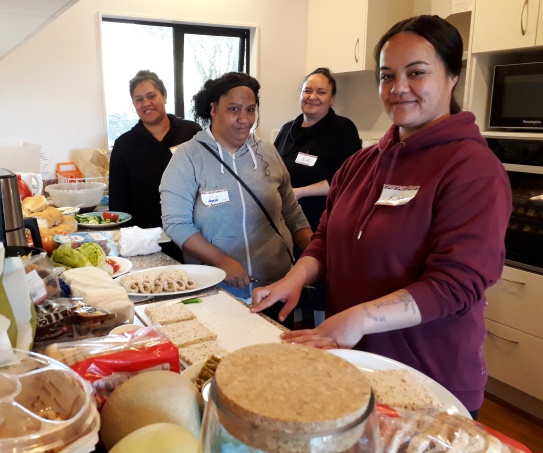

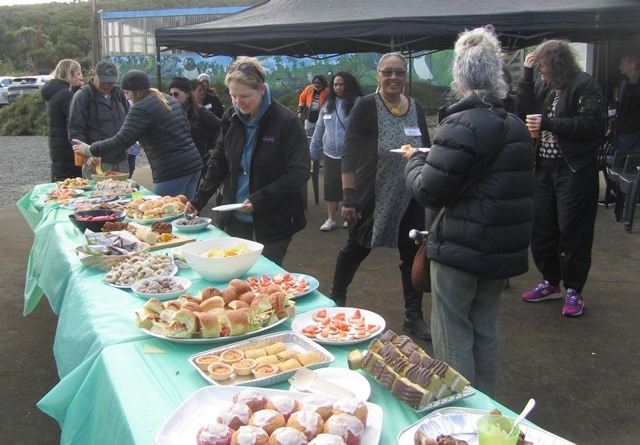
After morning tea, everyone assembled again and all the members of the tangata whenua team were
introduced and the manuhiri were asked to individually introduce themselves.

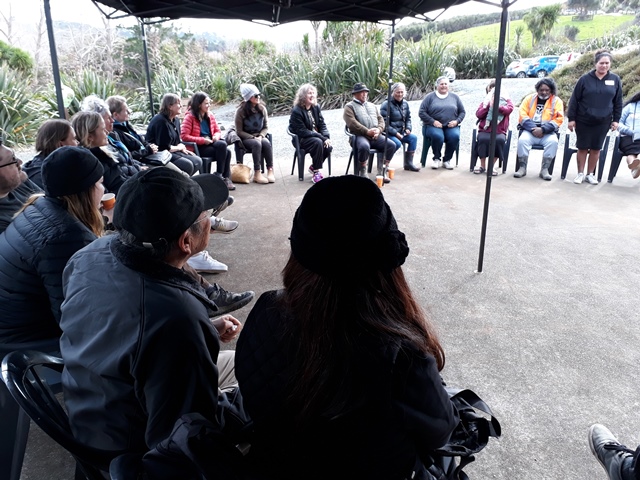
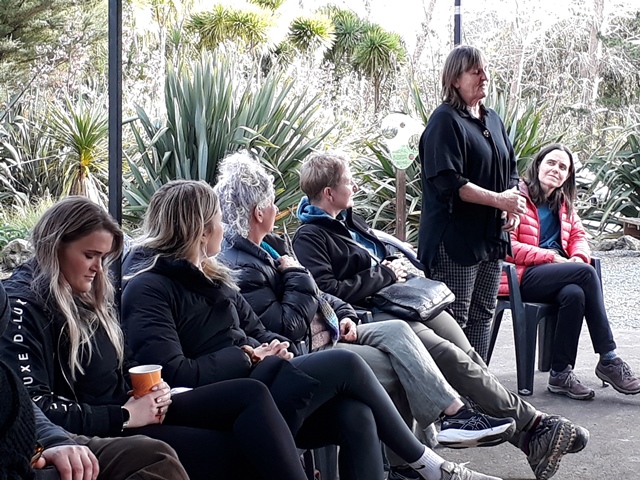
The manuhiri included people hailing from several countries in the Pacific, and Richard took some time during his introduction to use cups to create a map of the Pacific and gave a very interesting talk about Polynesian migration in the Pacific and waka navigation.
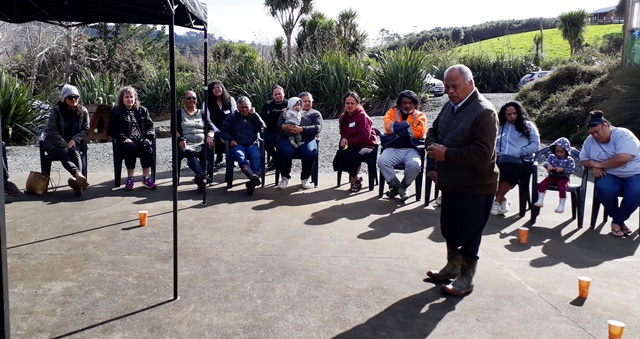
After the introductions, Rewana and Rita led the kori kori tinana (body movement exercises) the aim of which was to promote social interaction, enhance taha hinengaro (mental and emotional wellbeing), and whakatau wairua (settle the spirit) to open the mind and spirit for the activities to follow.


Participants then broke into smaller groups for various activities.
Rewana explained about Matariki, the various stars and their significance as well as tikanga Maori practiced by Ngati Rango. Manuhiri were invited to ask questions on any aspects of Māori culture and many interesting questions were asked. Rewana explained that each hapu and iwi had its own tikanga, none were right or wrong, just different.
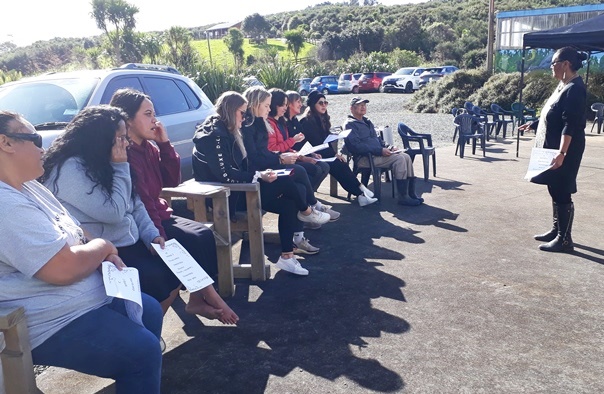

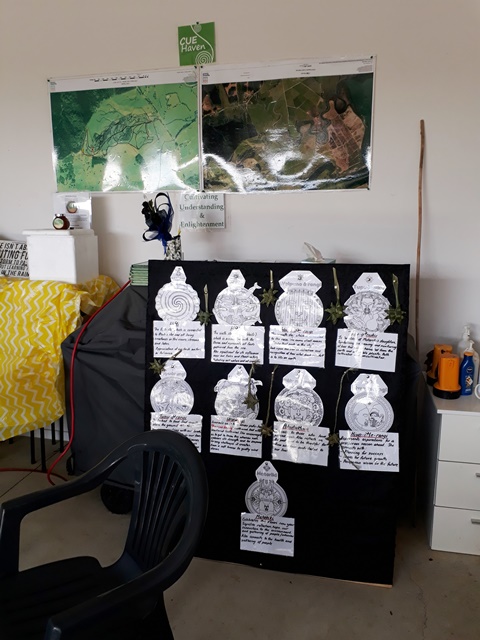

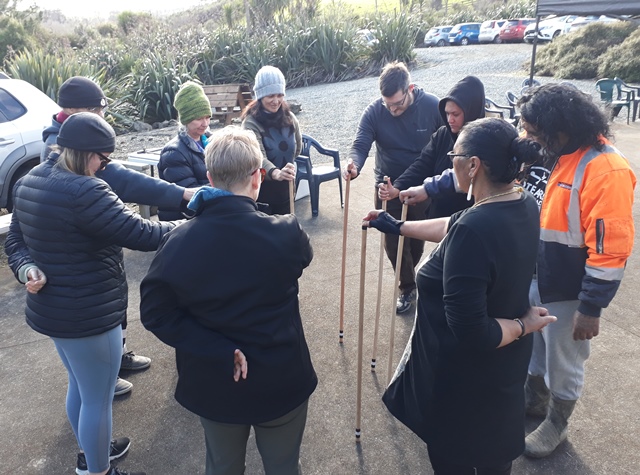
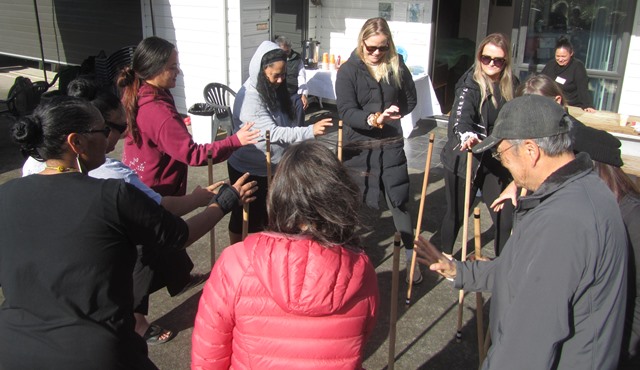
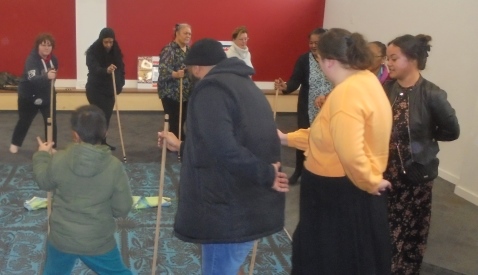
Rewana also led the participants in a concentration and team building activity using rākau. It was a challenging but also a really fun activity and generated lots of laughter.



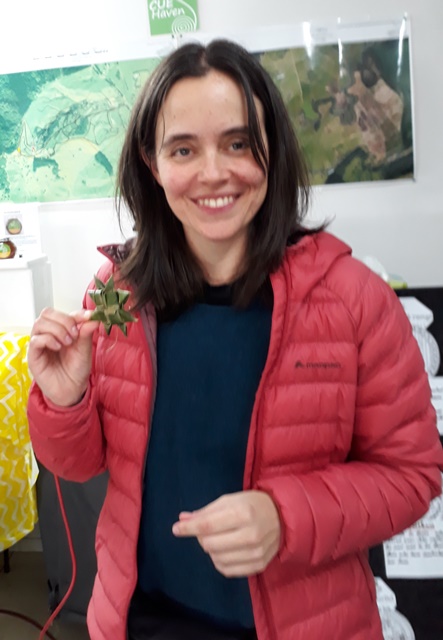
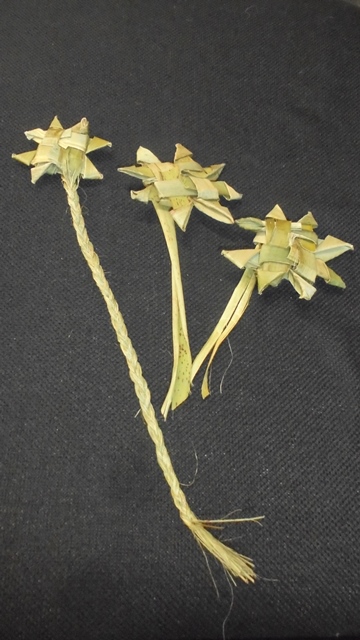
Rita led the different groups in a session about korari-harakeke (flax weaving) and taught them how to make Matariki stars.
Rita had previously harvested some harakeke from the bushes at CUE Haven and prepared the training materials and handouts for the sessions.
Each session started with an explanation of the importance of harakeke to Maori and some of the traditions and rituals surrounding the plant and its uses.

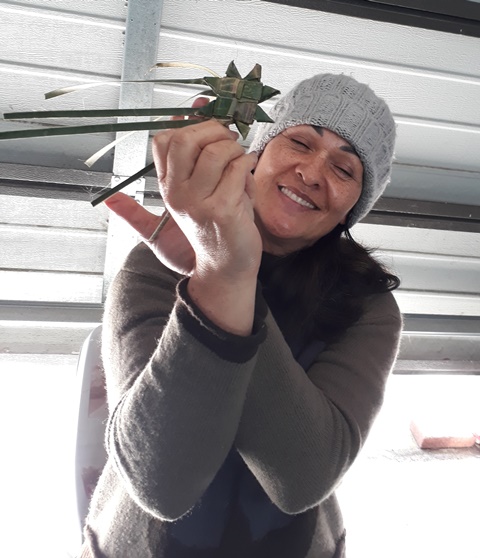
Rita gave each participant some harakeke and taught them how to make Matariki stars.

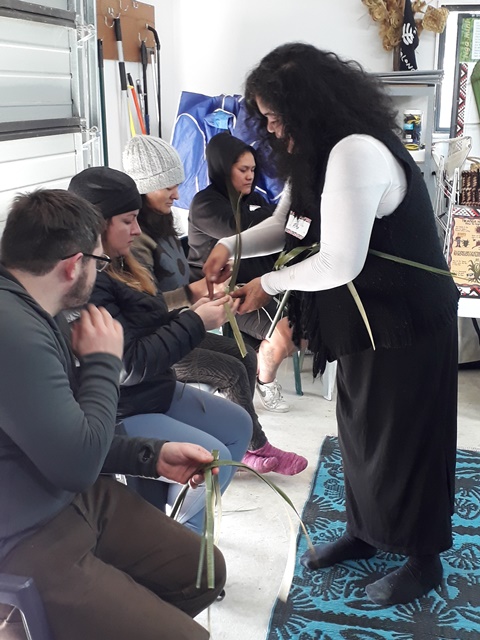
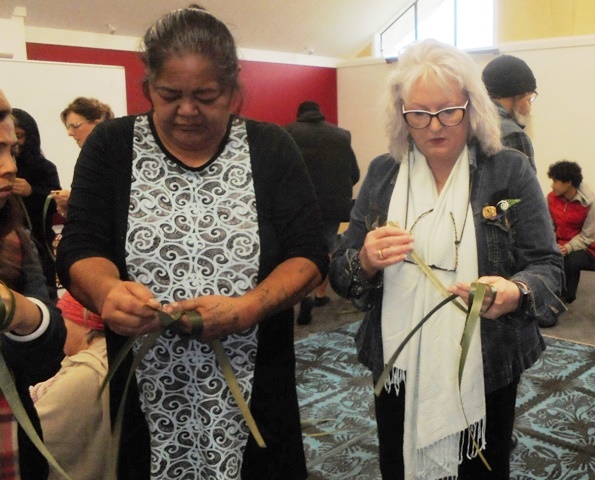

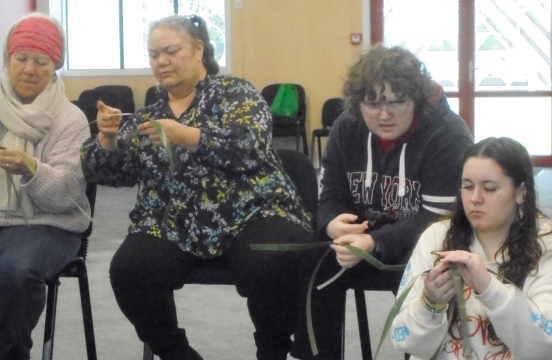
It took quite a while to get the star right, but everyone was really proud of their achievements!



At the end of the day, Rewana convened the participants for a feedback session. Participants were overwhelmingly positive about the day. Everyone enjoyed all the sessions and indicated that they had learned a lot and really appreciated the hospitality they experienced from tengata whenua. The unanimous feedback was how well the presenters created positive feelings of community among people from such diverse ethnic groups.
The cultural events ended with all participants joining in for a closing prayer and blessing.
As mentioned above, when the initial sessions were rescheduled due to the weather, the local Rongoa medicine practitioner, Marion Leth, had a conflict with the new date. Because of the level of interest in the subject, a separate, special Rongoa session was held at CUE Haven on Aug 12th.
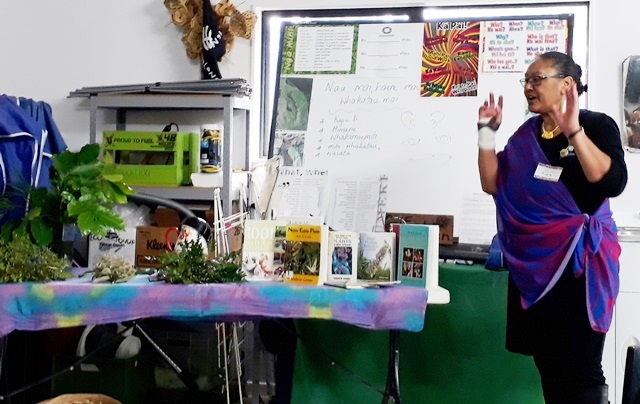
On the morning of the session, Marion set up her materials. She had brought reference books as well as samples of some Rongoa plants the participants might not encounter at CUE Haven.

Each participant was provided with a booklet for taking notes.

Rewana opened the session by welcoming the participants with a blessing and explained the plan for the day.
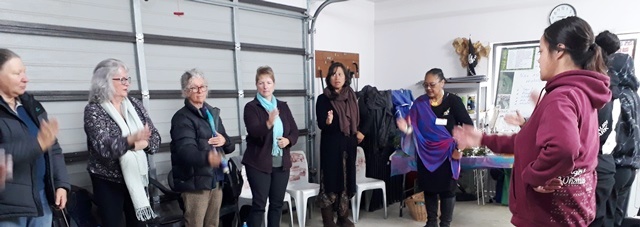
Rita then led the group in some kori kori tinana exercises to get everyone relaxed and prepared for the activities.
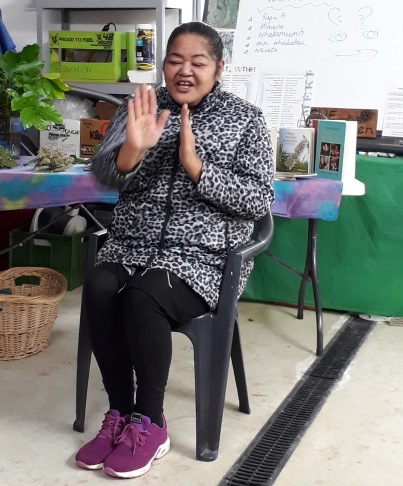
Rewana pointed out that Rongoa medicine would be a new concept to most of the group and that it was important to approach the subject with an open mind. Each participant was given a sheet of paper and instructed to fold the paper three times and then tear off a corner.
Each person was then asked to unfold and hold up their paper. Rewana made the point that although everyone had received the same instructions, everyone’s approach to folding and tearing the paper was unique and as a result the papers looked different in the end. It was a good reminder to not be judgmental because people end up with different results depending on how they interpreted the instructions where and how a person began their journey.

The participants were asked to introduce themselves and to discuss their background and objectives for the day.
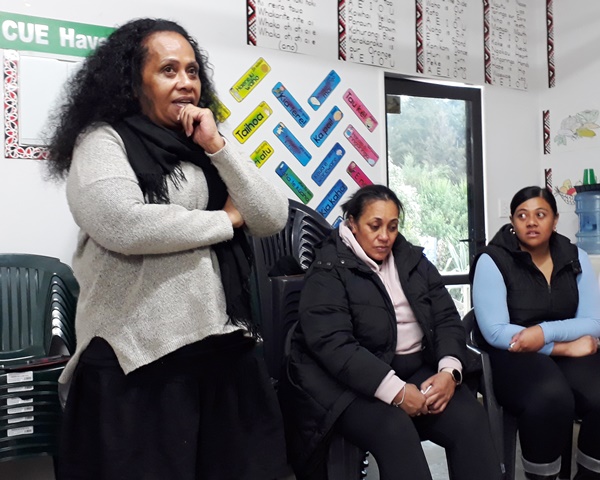
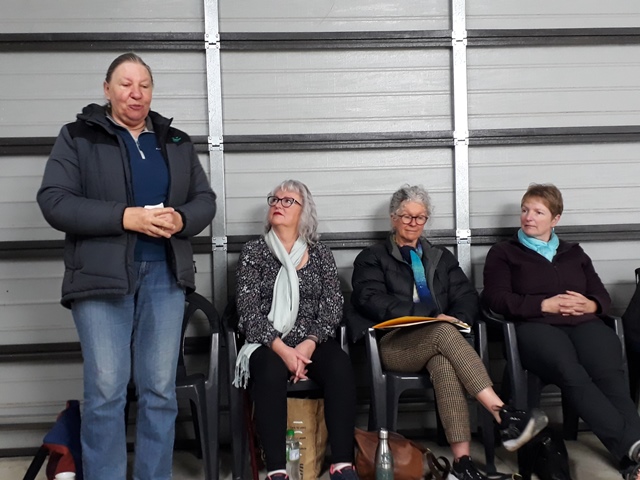
Marion then started the session by describing her whakapapa and experience with Rongoa medicine and some of the basic concepts and principles.

Marion then took the group on a walk through a portion of the CUE Haven ngahere so they could see a variety of plants in situ. Marian explained how the plants grow, how and why they are used and additional Rongoa lore.
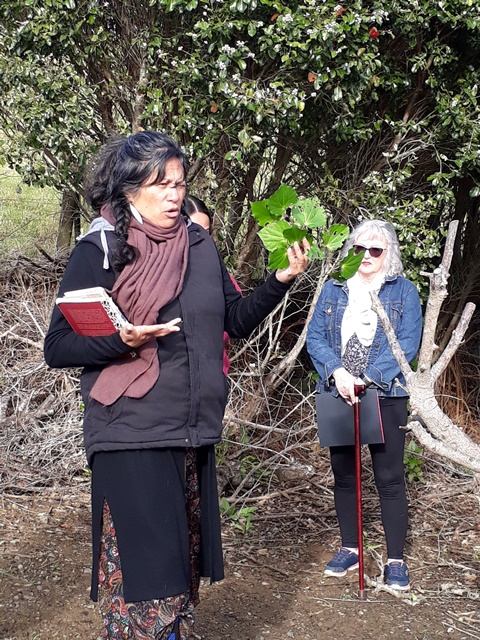
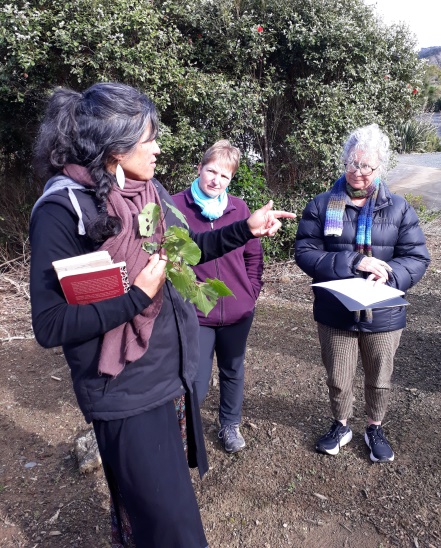
There was lots of discussion and many questions.

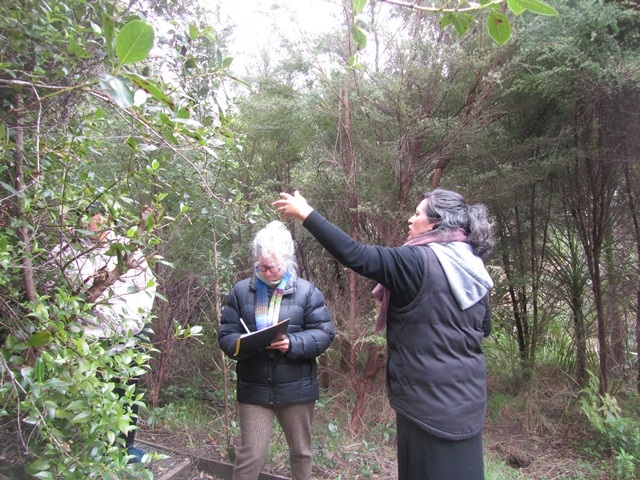


The group returned to the cottage where Marion continued the discussion and also brewed a cup of tea made from freshly picked kawakawa leaves which everyone got to sample.
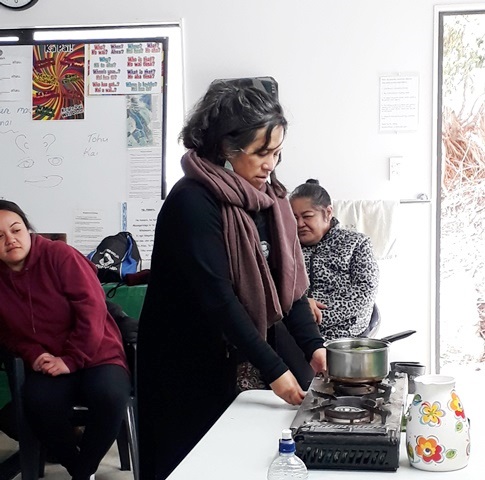
Participants asked lots of questions and the very interesting session went almost an hour overtime!!


Marion, Rewana and Rita had put together lovely gift packs for all the participants that included small jars of kawakawa balm and purukamu oil prepared by Marion as well as putiputi (corsages) that Rita had made from harakeke harvested at CUE Haven.


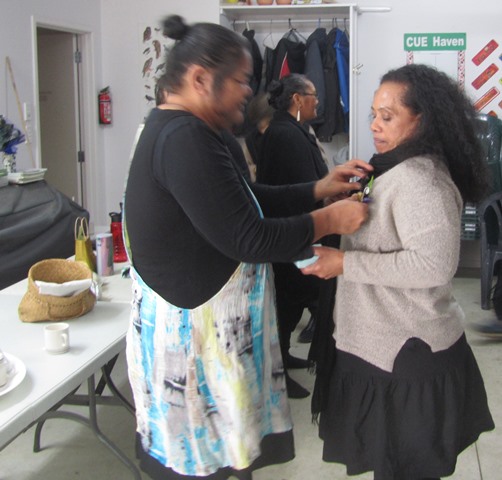
The day ended with a shared meal and continued socialising. Everyone thoroughly enjoyed the rongoa workshop and found it most valuable and informative.
A big thank you to Rewana, Rita, Marion for their efforts in preparing and presenting three very successful cultural events. And many thanks to the delivery team who prepared and served the kai and other preparations.


And finally, a huge thank you to Auckland Council and the Creative Communities Fund for providing the funding without which these invaluable and well received Mataraki cultural events would not have been possible.
Thank you! Thank You!

 CUE Haven